
A letter from our founders
We started this business to prove that good work and good business are the same thing. Ten years on, we're still proving it – and still learning how.
It hasn't been a straightforward year. Many of the organisations we work with faced tighter budgets and shifting priorities, and some of the regulation that had driven demand for our work was paused or rolled back. We chose not to chase work that didn't fit our values. That cost us two significant pitches, and we'd make the same call again.
Inside the business, we focused on the basics. We introduced a clearer progression framework, reviewed our pay to close a gap we found, and finally set a long-term emissions target. We also missed some goals, and you'll find those here too. A report that only shares the wins isn't worth reading.
Thank you to our team, our clients and our partners. We hope this report gives you a clear picture of where we are, and an honest one of where we're going.
With thanks,

Tim Jenkins
Co-founder and CEO
Amanda Wilkinson
Co-founder and COO
Our year in numbers
114.2
B Impact Score
82%
Revenue from purpose-led clients
412
Hours of volunteering
The standards we hold ourselves to
Certifications and commitments that keep us honest, and that we report against every year.

01
Our work
Our biggest impact comes through the clients we choose and the work we do with them.
Choosing work that moves things forward
We help purpose-led organisations plan, communicate and deliver change. Our clients range from national charities and housing associations to B Corps and the public sector teams that fund them.
We can't measure every outcome of our work, but we can control what we take on. Every new enquiry goes through a short values check before we pitch. This year, 78% of our revenue came from organisations with a clear social or environmental purpose, up from 64% in 2024. We turned down two projects we didn't feel able to stand behind.
Three ways we create impact

Strategy
Helping organisations get clear on their purpose, priorities and the change they want to see. 14 projects this year.

Communications
Telling the story of that change so it reaches the people it needs to. 21 projects this year.

Measurement
Building the frameworks and tools to track impact over time. 9 projects this year, up from 3.
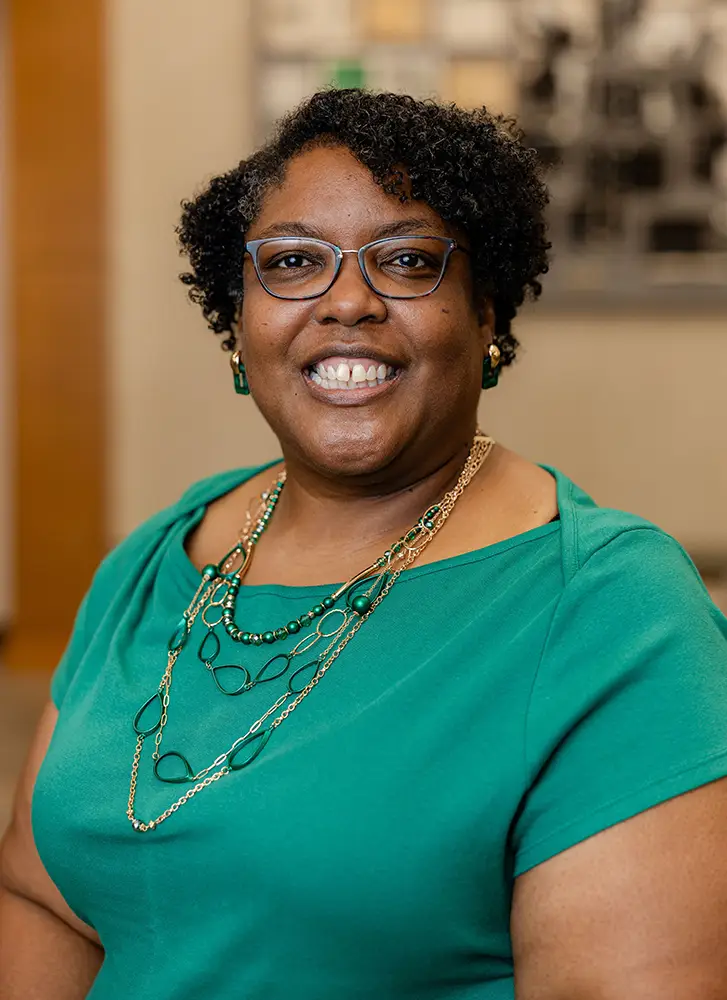
They didn't just deliver what we asked for. They asked the questions we hadn't thought to ask ourselves, and our strategy is far stronger because of it.
A few projects from the year
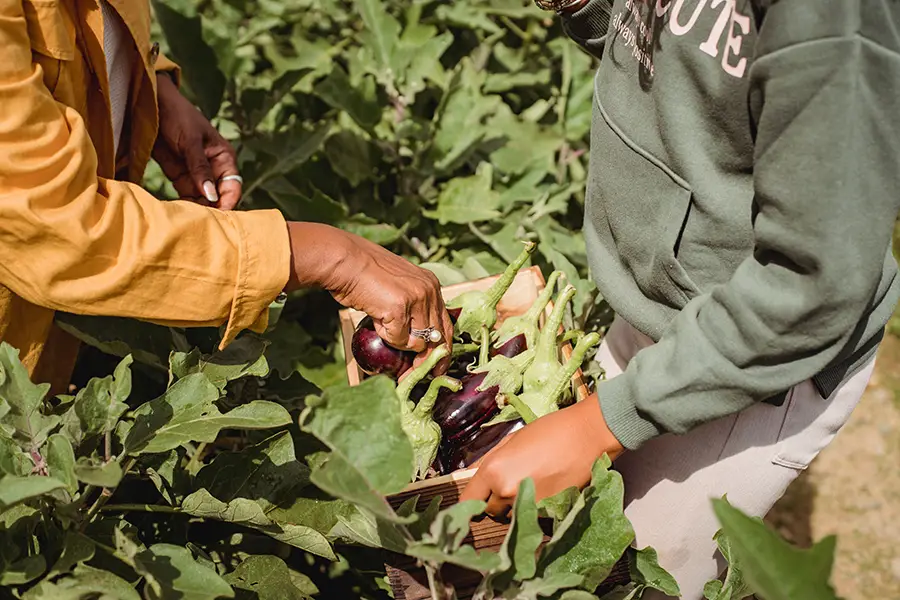
Rethinking a regional food network
A new strategy for a network of 60 community food projects.
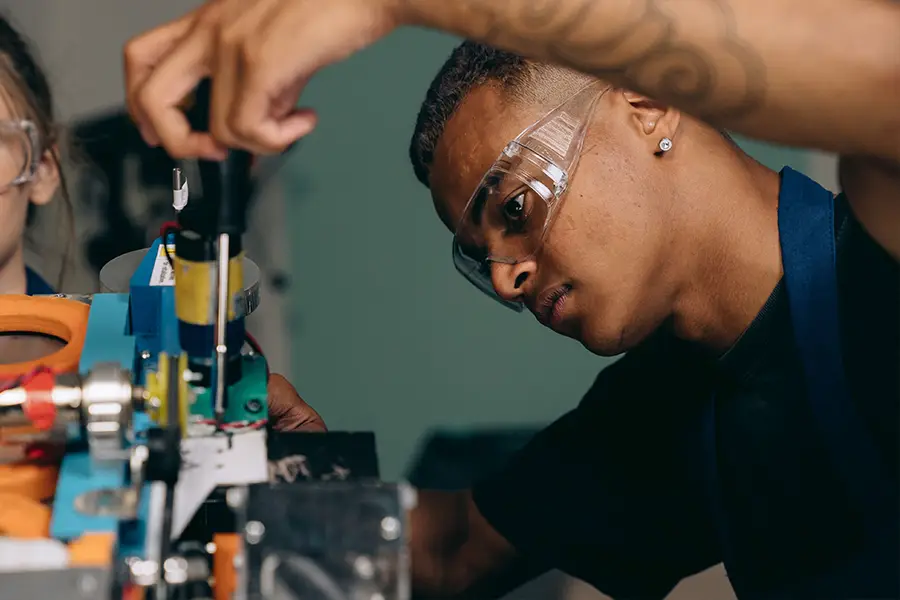
Measuring a youth employment programme
An impact framework now tracking outcomes for 1,200 young people a year.
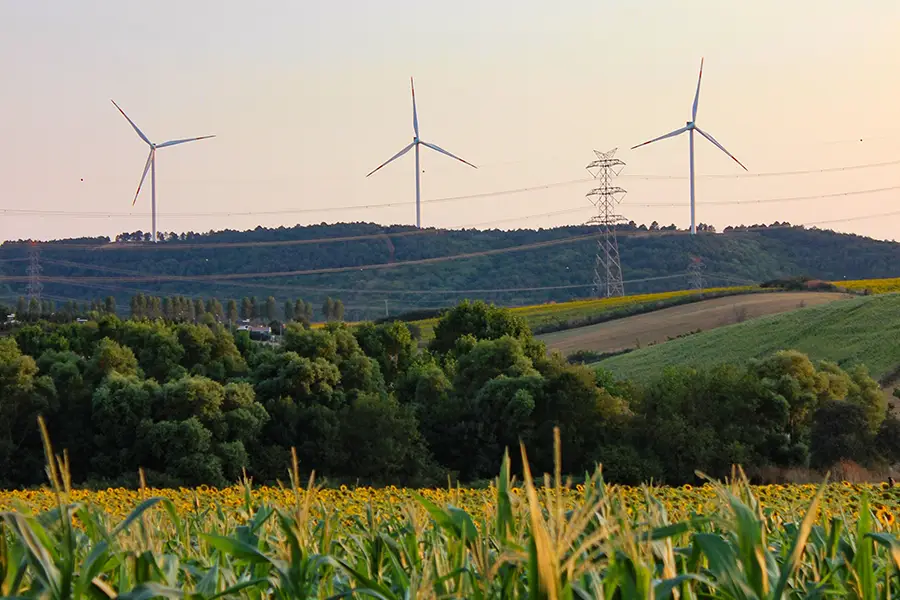
Making climate data make sense
Plain-English reporting for a renewable energy co-operative's members.

Opening up a funding process
A simpler, more accessible grant application for a local foundation.
1 of 4
02
Our people
A small team, bringing purpose to their work every day.
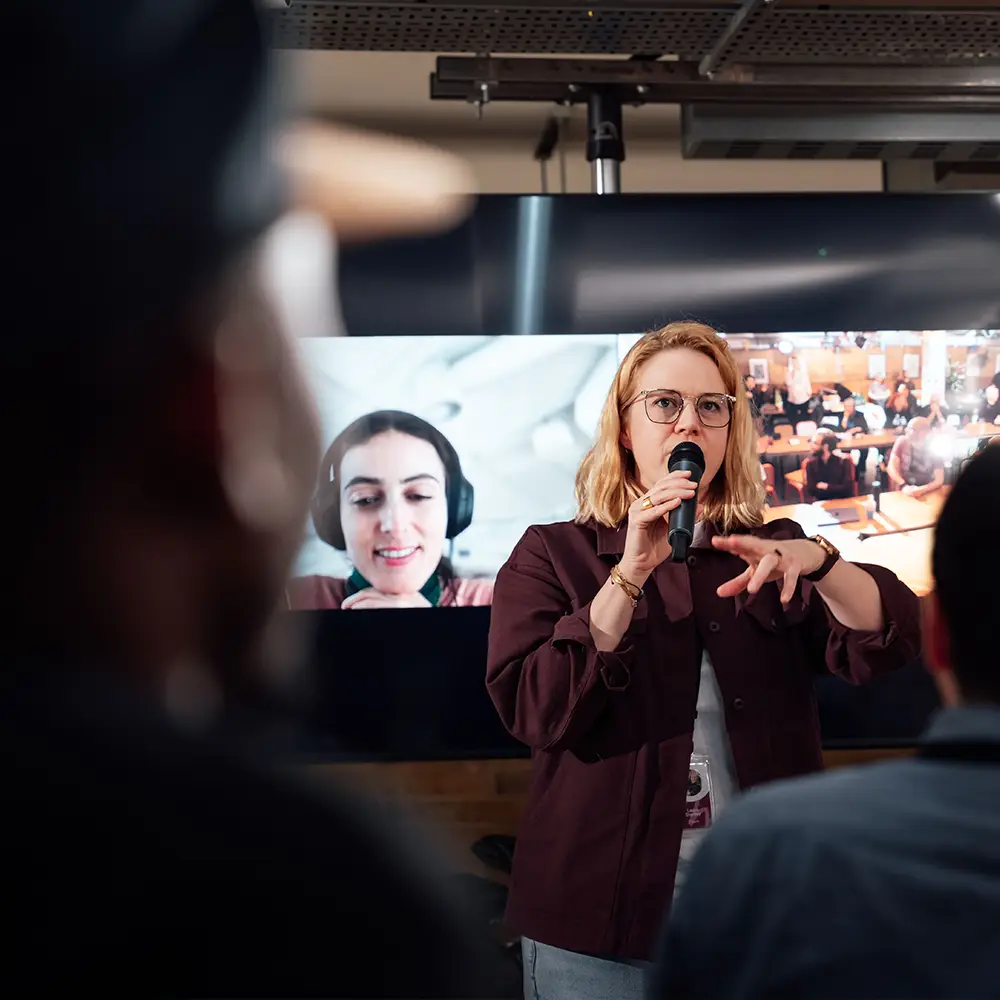
Making progression clear and fair
Last year's survey told us people weren't sure how to progress here, or how pay decisions were made. That's a fair challenge for a business our size, where roles often grow informally.
In response, we worked with the whole team to write a progression framework that sets out what each level looks like, how to move between them and how pay is set. We used it to review every salary, which closed most of the gender pay gap we'd found. Everyone now has a named development budget of £750 a year to spend on learning they choose.
How our team feels about working here
95%
Would recommend us as a place to work
1.4%
Mean gender pay gap
100%
Of the team paid at least the Real Living Wage
For the first time, I can see exactly what the next step looks like and what I need to do to get there. That makes a real difference.
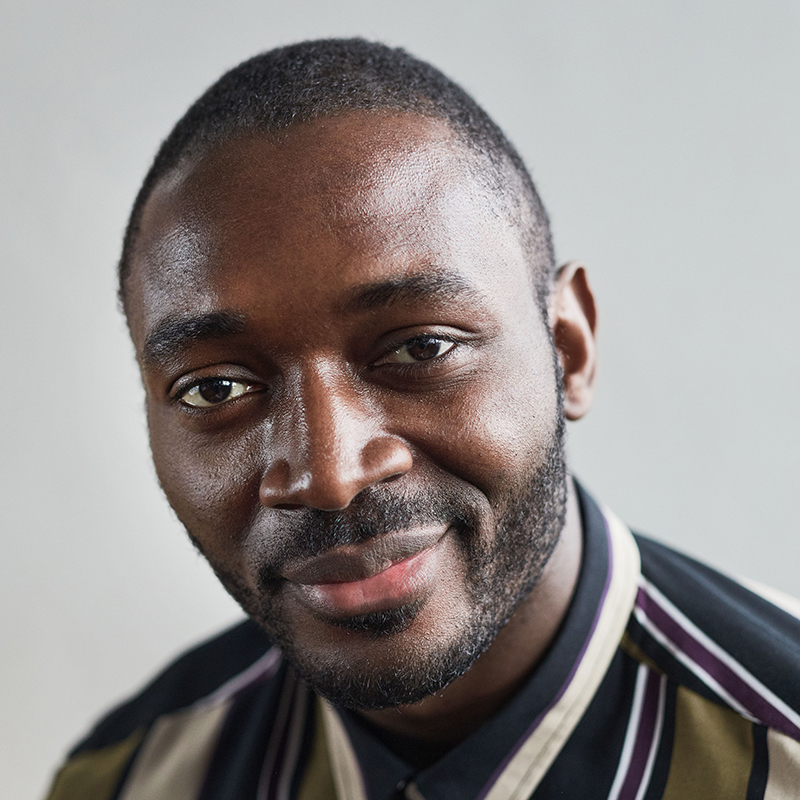
Tom Bradley, Marketing Lead, joined in 2021
A day among the trees
Once a year, we close the studio and spend a day outdoors together. This summer we headed to a local woodland for a guided walk, a morning of conservation volunteering and a long lunch in the open air. Press play to see how it went.
03
Our planet
Our footprint is small, but we're responsible for every tonne of it.
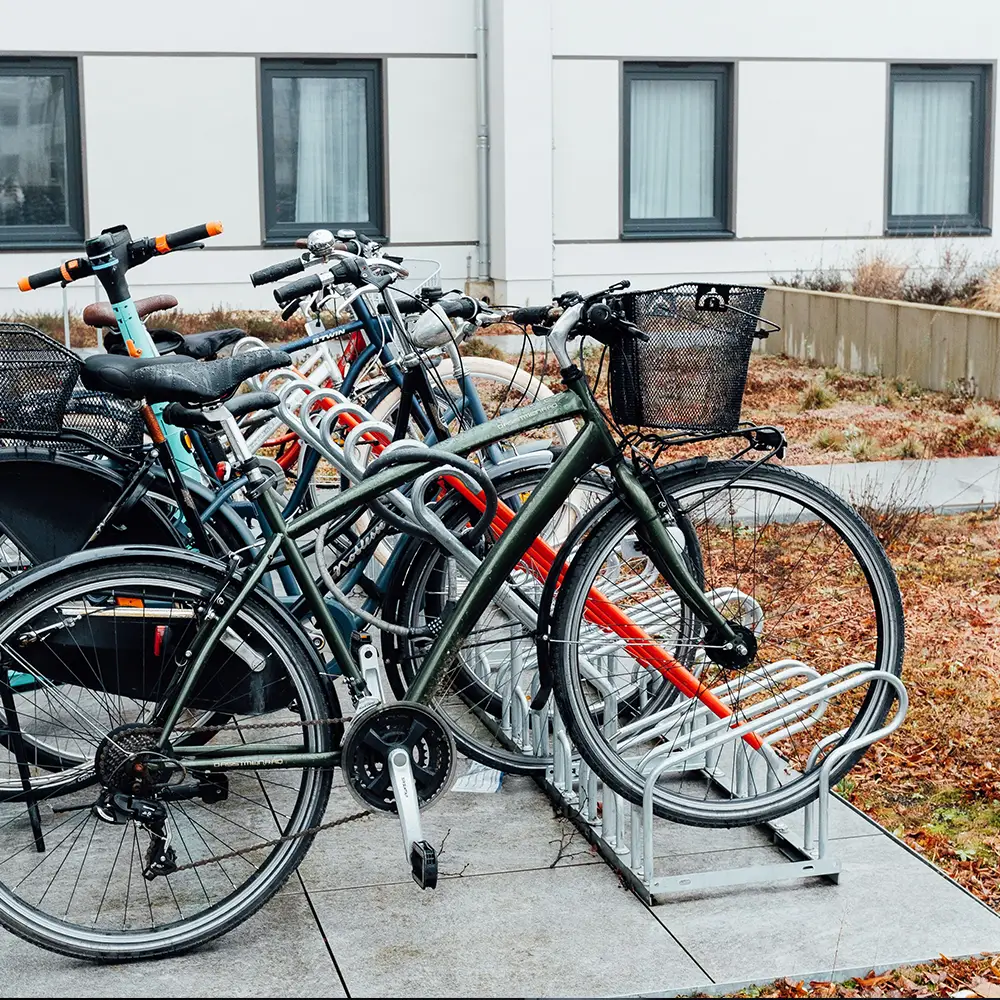
A small footprint, and a real responsibility
As a service business, very little of our impact comes from our office. Around half of our emissions come from what we buy, from software to printing, and a quarter from travel. So the biggest changes we can make are in everyday choices: who we buy from, how we get to clients, and how we build the digital work we deliver.
In 2026 we set our first long-term target: to halve our emissions per person by 2030 and reach net zero by 2040. Here's how we're doing.
2.6tCO₂e
Emissions per person in 2026
That's 38% lower than our 2021 baseline of 4.2 tonnes, and puts us on track for our 2030 target of 2.1 tonnes per person.
Where our emissions come from
| Source | 2025 (tCO₂e) | 2026 (tCO₂e) |
|---|---|---|
| Scope 1: direct emissions | 0.0 | 0.0 |
| Scope 2: electricity (market-based) | 0.4 | 0.2 |
| Scope 3: purchased goods and services | 41.2 | 38.5 |
| Scope 3: business travel | 22.3 | 19.8 |
| Scope 3: commuting and homeworking | 14.6 | 13.1 |
| Scope 3: other (waste, IT, hosting) | 9.8 | 9.0 |
| Total | 88.3 | 80.6 |
Our team grew from 30 to 31 people. Scope 3 figures use a mix of spend-based and activity data; we're working with our largest suppliers to replace spend estimates with real data.
How we measure and manage our footprint
Read more about our approach
Insights
Why we fund nature restoration instead of buying offsets
04
Our community
Sharing our time, skills and platform with the people and places around us.
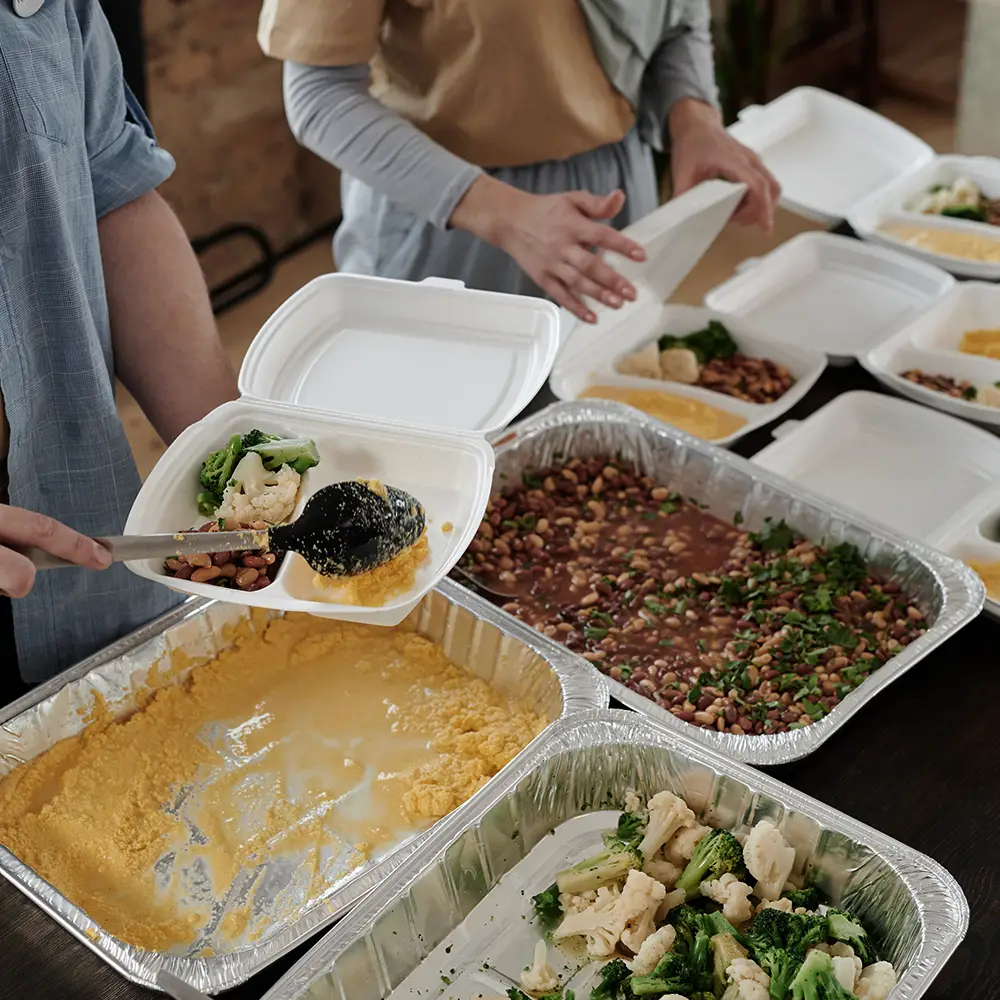
Our skills go further when we share them
Every member of our team has three paid days a year for pro bono work or volunteering. This year, 26 of 31 people used them, giving 412 hours across 19 organisations.
Most of that time went into the thing we do best: helping small organisations communicate their impact. But some of the most rewarding hours were spent away from our desks, serving meals at a local community food hub and planting trees with a woodland trust. We also mentored people starting out in the industry and opened our studio to local groups.
Where our time went
248h
of pro bono strategy and design for local charities
96h
of mentoring through a youth employment programme
68h
of hands-on volunteering, from food banks to tree planting
A year of mentoring
Three young people from our mentoring programme talk about their first year in the creative industries.
We set aside time each year for pro bono projects with small charities and community groups. If that's you, get in touch.
05
Looking ahead
What we promised last year, how we did, and what comes next.
How we did against our 2025 goals
Last year we set ourselves four goals and promised to report back on every one, not just the ones we hit. We achieved one, are making good progress on two, and missed one. Here's where each stands, and what we're doing next.
Publish a progression framework for every role
100% of target
Launched in May, co-written with the whole team.
Next: Review it with the team after one full appraisal cycle.
Earn 80% of revenue from purpose-led clients
98% of target
Up from 64%, with two values-led pitches declined.
Next: Keep the values check on every new enquiry.
Cut emissions per person by 15%
67% of target
Fell from 2.9 to 2.6 tonnes per person.
Next: Replace spend estimates with supplier data.
Move our banking to an ethical provider
Delayed while we changed accounting systems.
Next: Complete the switch by June 2027.
Our priorities for the year ahead
Four commitments we'll report back on in next year's report.

85% purpose-led revenue
Growing the share of our work with organisations creating positive change.

Real supplier data
Replacing spend-based estimates with real data from our ten largest suppliers.

Ethical banking
Completing our switch to an ethical banking provider by June.

Fairer hiring
Introducing anonymised applications and paid work trials for every role.
Let's do good work together
If you're a purpose-led organisation with change to make, we'd love to hear from you.